What Is Knee Osteoarthritis?
Understanding what is actually happening in your knee is the first step toward effective treatment.
Knee osteoarthritis is a degenerative joint condition where the cartilage that cushions the ends of the bones gradually breaks down. As cartilage thins, the bones can begin to rub against each other, causing pain, swelling, stiffness, and a progressive loss of movement. It is the most common form of arthritis worldwide, and it disproportionately affects adults over 45 — particularly those who spend a lot of time on their feet, have had previous knee injuries, or carry excess body weight.
Despite what many patients are told, knee osteoarthritis does not always get worse with time — and it does not always lead to surgery. The severity of pain is not directly proportional to the degree of cartilage damage visible on X-ray. This is one of the most important things to understand: many people with significant X-ray findings live with minimal pain, while others with mild structural changes experience severe symptoms. This is very good news — it means the right treatment can make an enormous difference to how you feel, regardless of what the scan shows.
Physiotherapy is the most effective and most evidence-supported non-surgical treatment for knee osteoarthritis. At Premium Care, we treat the whole joint — not just the cartilage. We address the muscles, tendons, alignment, movement patterns, and load distribution around the knee. This approach reduces pain, restores function, and gives many patients the quality of life they thought they had lost permanently.
Quick Facts
Common Causes
Knee osteoarthritis rarely has a single cause. Understanding the contributing factors helps us design a more targeted treatment plan.
Age-Related Wear
Cartilage naturally loses its ability to repair itself with age. Decades of loading gradually thin and weaken the cushioning surfaces of the joint.
Excess Body Weight
Each extra kilogram of body weight adds approximately 4 kg of force on the knee during walking. Sustained excess load accelerates cartilage breakdown significantly.
Previous Knee Injury
Prior ligament tears, meniscus damage, fractures, or dislocations alter joint mechanics and accelerate the degenerative process, often by decades.
Poor Muscle Strength
Weak quadriceps and hip muscles increase the load transferred directly to the cartilage. This is one of the most modifiable risk factors — and the most important one to address in treatment.
Malalignment (Bow-leg / Knock-knee)
Abnormal knee alignment concentrates forces on one side of the joint, causing uneven cartilage wear that accelerates osteoarthritis in the overloaded compartment.
Genetics and Family History
Having a parent or sibling with knee osteoarthritis significantly increases your risk, suggesting inherited differences in cartilage quality and joint structure.
Occupational Overuse
Jobs or activities that require prolonged kneeling, squatting, heavy lifting, or standing for many hours daily place repetitive stress on the joint over years.
Hormonal Changes in Women
Women develop knee osteoarthritis more frequently than men, especially after menopause. Oestrogen is believed to play a protective role in cartilage health.
Symptoms to Watch For
Knee osteoarthritis has a recognisable pattern. These are the signs our therapists assess to understand the severity and type of your condition.
Morning Stiffness
A stiff, difficult-to-move knee on waking — typically easing within 30 minutes of getting up and moving. This is one of the most classic signs of osteoarthritis.
Creaking or Crunching Sound
A grating or cracking sensation (crepitus) when bending or straightening the knee — caused by roughened cartilage surfaces moving against each other.
Pain on Stairs or Slopes
Climbing or descending stairs, hills, or uneven ground triggers pain — particularly going downstairs, which increases patellofemoral joint load significantly.
Swelling Around the Knee
Intermittent or persistent swelling, especially after activity, indicates joint inflammation. The knee may feel warm and appear larger than usual.
Pain After Sitting or Inactivity
Difficulty rising from a chair, getting out of a car, or starting to walk after resting for a while — pain that then eases after a few steps of movement.
Reduced Bending Range
Unable to fully bend or straighten the knee — making tasks like squatting, sitting cross-legged, or kneeling painful or impossible.
Pain That Worsens With Activity
The knee aches during or after prolonged walking, standing, or physical work — often improving with rest but returning again once activity resumes.
Feeling of Giving Way
The knee occasionally feels unstable or like it might buckle, particularly on uneven ground or during weight-bearing activities — due to weakened supporting muscles and joint laxity.
How Physiotherapy Helps
We cannot reverse cartilage loss — but we can dramatically reduce pain, improve function, and protect the joint from further damage.
Our Results
Most knee osteoarthritis patients at Premium Care experience meaningful pain reduction within the first 4–6 sessions.
- Significant reduction in daily pain
- Improved walking distance and comfort
- Better ability to use stairs
- Less swelling and stiffness
- Reduced medication dependence
Thorough Assessment of Your Knee
Your first session is a comprehensive clinical assessment. We examine your gait, alignment, muscle strength, joint range, swelling, and how you load your knee during movement. We also take time to understand how the pain affects your daily life — because for us, real success means you can walk, climb stairs, and go about your day without it dominating everything.
Pain and Swelling Control
In the early sessions, we focus on reducing your pain and any swelling using electrotherapy modalities such as therapeutic ultrasound, TENS, and interferential current — combined with soft tissue techniques and gentle manual mobilisation of the knee joint. Most patients notice a meaningful reduction in pain within the first 3–4 sessions. You should never leave a session feeling worse than when you arrived.
Restoring Joint Mobility
As pain reduces, we work on restoring your knee's bending and straightening range. This involves specific manual mobilisation techniques, progressive stretching of the surrounding soft tissues, and targeted exercises to improve the joint mechanics. Restoring movement is not just about comfort — it directly protects the joint by distributing load more evenly across the cartilage surface.
Strengthening the Muscles Around the Knee
This is the most important and most evidence-supported component of knee osteoarthritis treatment. Strong quadriceps, hamstrings, and hip abductor muscles act as shock absorbers — significantly reducing the force transmitted to the arthritic cartilage during every step you take. We build this strength progressively and carefully, ensuring you never overload the joint. This is what produces lasting results and the reason surgery can often be avoided.
Activity Guidance and Long-Term Management
We teach you exactly how to move, exercise, and manage your knee for the long term — including which activities protect the joint and which ones to modify, how to manage flare-ups at home, and a home exercise programme you can maintain independently. Our goal is not just to treat you through a course of sessions, but to make sure you have the knowledge and tools to keep your knee as healthy as possible for years to come.
Treatment Techniques We Use
Each technique is chosen based on your assessment findings and your stage of recovery — never a routine protocol.
Manual Therapy
Hands-on joint mobilisation techniques to restore normal knee movement mechanics, reduce capsular tightness, and relieve the protective muscle guarding that often worsens pain and stiffness. Particularly effective for the patellofemoral joint and in restoring terminal extension.
View ServiceElectrotherapy
Therapeutic ultrasound to promote tissue healing and reduce intra-articular inflammation; TENS and interferential current for effective pain management, particularly for chronic knee pain that has not responded well to rest and medication alone.
View ServiceTherapeutic Exercise
A carefully structured progressive exercise programme targeting quadriceps, VMO (inner quad), hip abductors, and hamstrings — the muscles most critical for off-loading the knee joint. All exercises are adapted to your pain level, fitness, and stage of recovery.
View ExercisesExpected Recovery Timeline
Knee osteoarthritis is a long-term condition, but meaningful improvement happens quickly with the right approach.
Weeks 1–3
Pain and swelling reduction. Most patients feel 30–40% better. Movement begins to improve.
Weeks 4–7
Mobility restores. Stairs become more manageable. Muscle strengthening begins in earnest.
Weeks 8–12
Strength builds. Walking endurance improves significantly. Daily life normalises.
Ongoing
Independent home programme. Maintained function. Surgery delayed or avoided.
Home Exercises to Start Today
These gentle exercises are safe to begin at home. They are the same ones we prescribe to our knee osteoarthritis patients in the clinic.
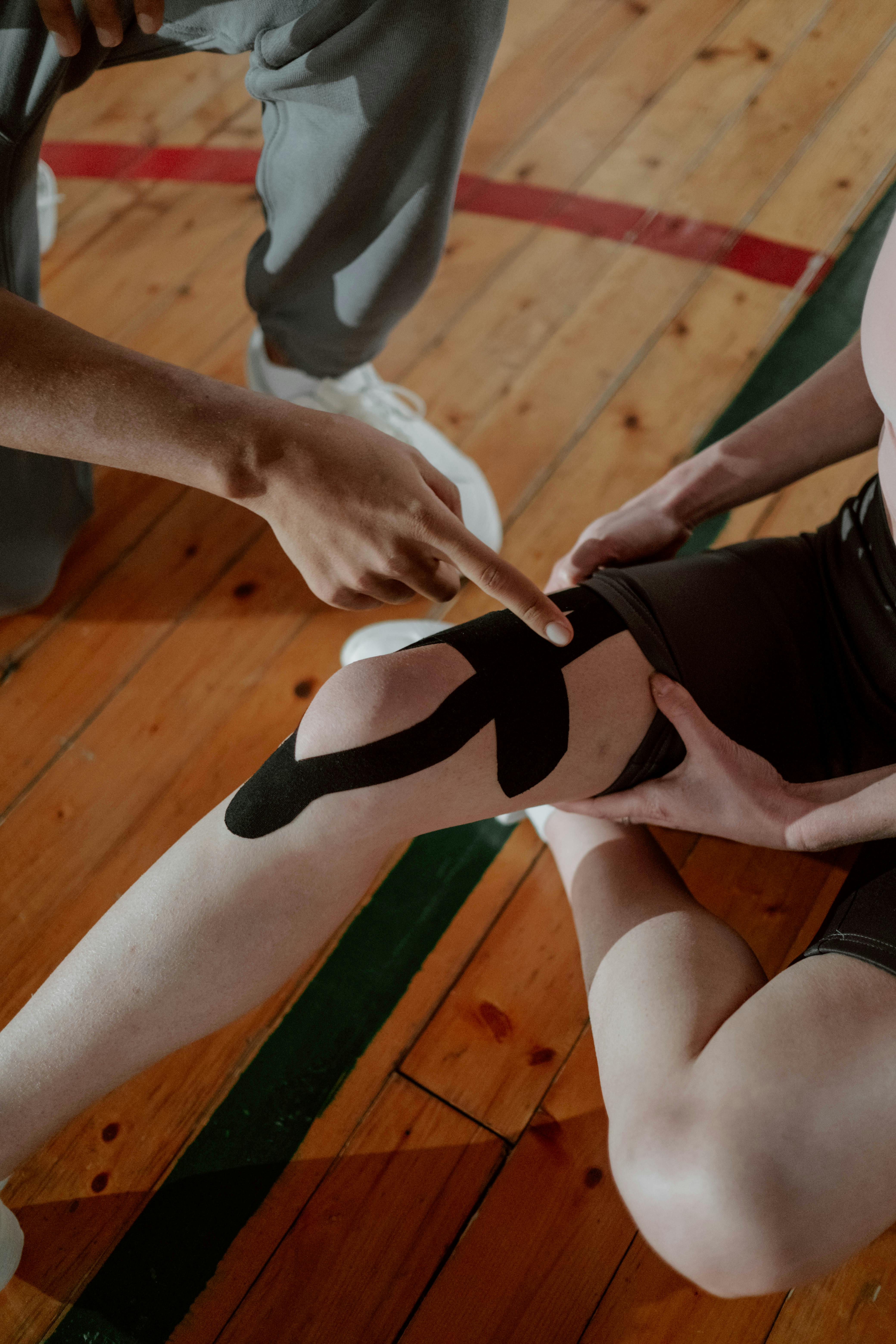
Terminal Knee Extension (TKE)
Specifically targets the VMO — the inner quadriceps muscle that is most important for patellar tracking and knee stability. Weakness here is one of the leading causes of knee pain in osteoarthritis patients.
Full Instructions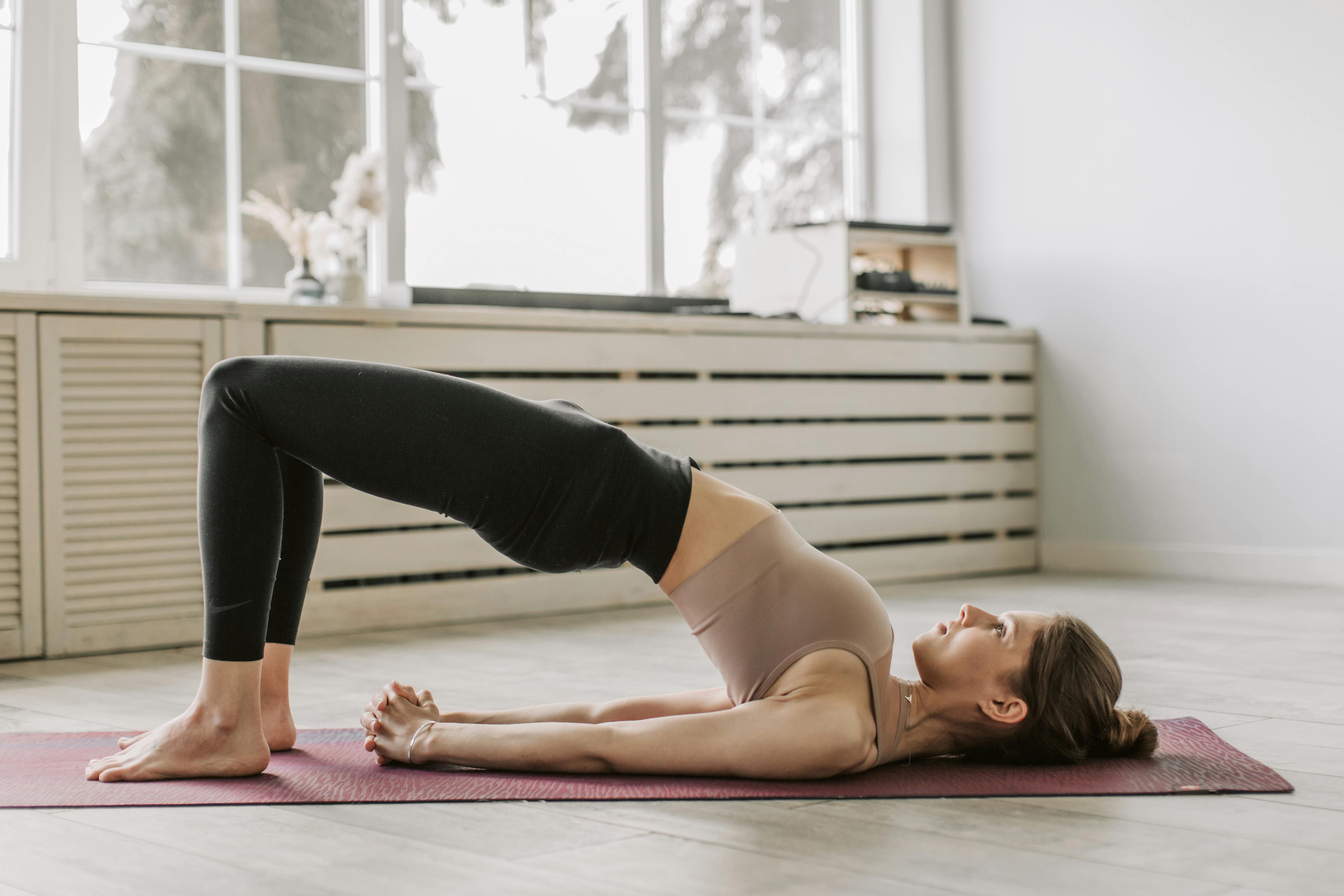
Glute Bridge
Strengthens the glutes and hamstrings to share the load that would otherwise fall entirely on the knee joint. Strong hip extensors are among the most powerful protectors of a damaged knee.
Full Instructions
Gentle Sit-to-Stand Squat
Practising the sit-to-stand movement in a controlled way builds functional strength in the exact pattern used every time you rise from a chair. Start with a higher chair or use your arms for support until strength improves.
Full InstructionsWhen to See a Doctor First
Most knee osteoarthritis responds well to physiotherapy alone — but certain presentations benefit from medical assessment first.
See a doctor before starting physiotherapy if you have any of these
These symptoms may indicate something more serious than routine osteoarthritis and require urgent assessment.
- Sudden, severe knee pain with significant swelling after a minor activity — could indicate a fracture or severe flare
- Knee that is hot, red, and very swollen — may indicate septic (infected) arthritis, which is a medical emergency
- Complete inability to weight-bear after a fall or injury
- Knee that locks completely in one position and cannot be straightened
- Severe night pain that prevents sleep, not related to your usual osteoarthritis pattern
- Unexplained weight loss alongside worsening knee pain
Ready to Treat Your Knee Pain?
You do not have to accept knee pain as inevitable. Our certified physiotherapists in Luxor will assess your knee thoroughly, explain what is actually happening inside the joint, and build a treatment plan that reduces your pain, improves your movement, and helps you avoid surgery for as long as possible. Evening appointments available every day except Sunday.