Common Physiotherapy Exercises

Understand the physics behind your recovery.

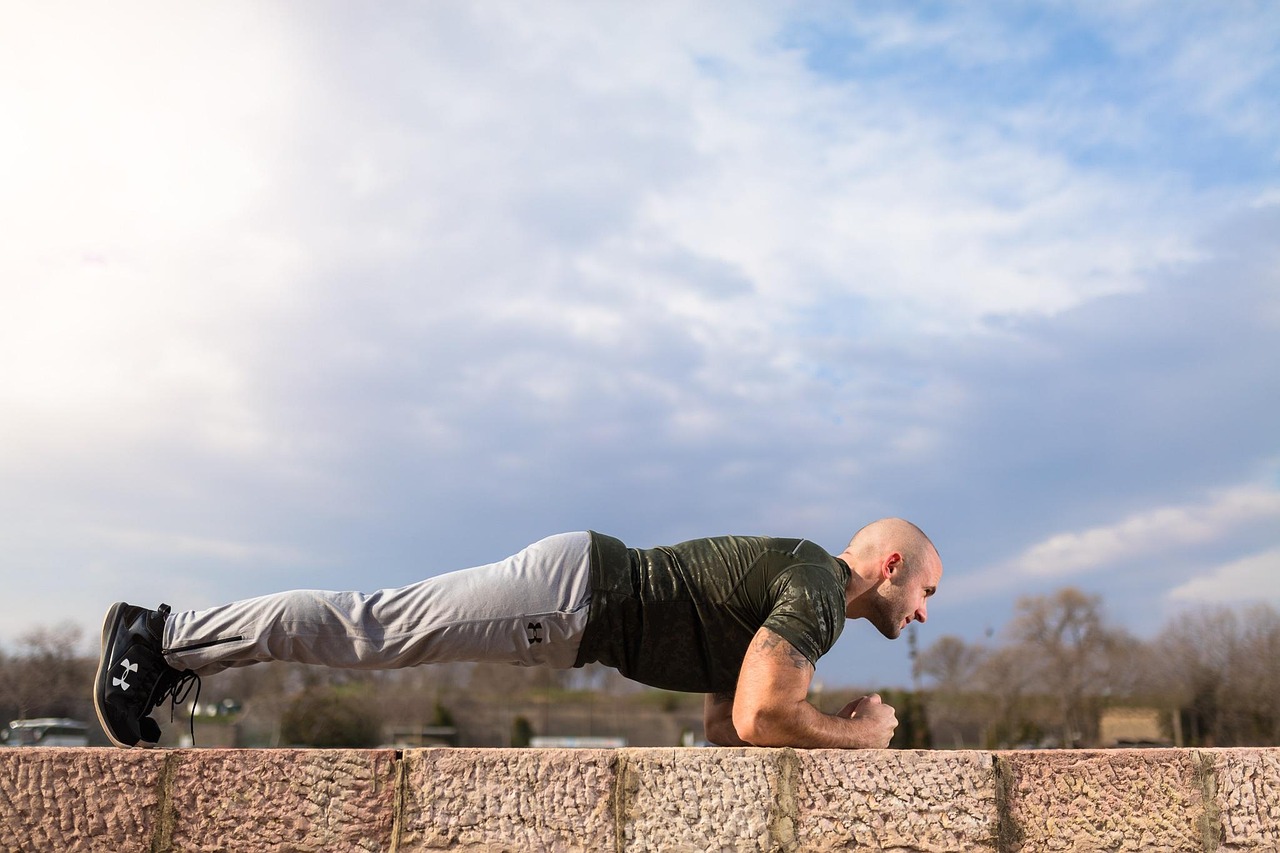
Plank Exercise

The Plank

Physics: Engages core muscles (rectus abdominis, obliques) isometrically. The goal is to maintain a neutral spine against gravity, increasing muscles' time under tension for stability and endurance, not strength.

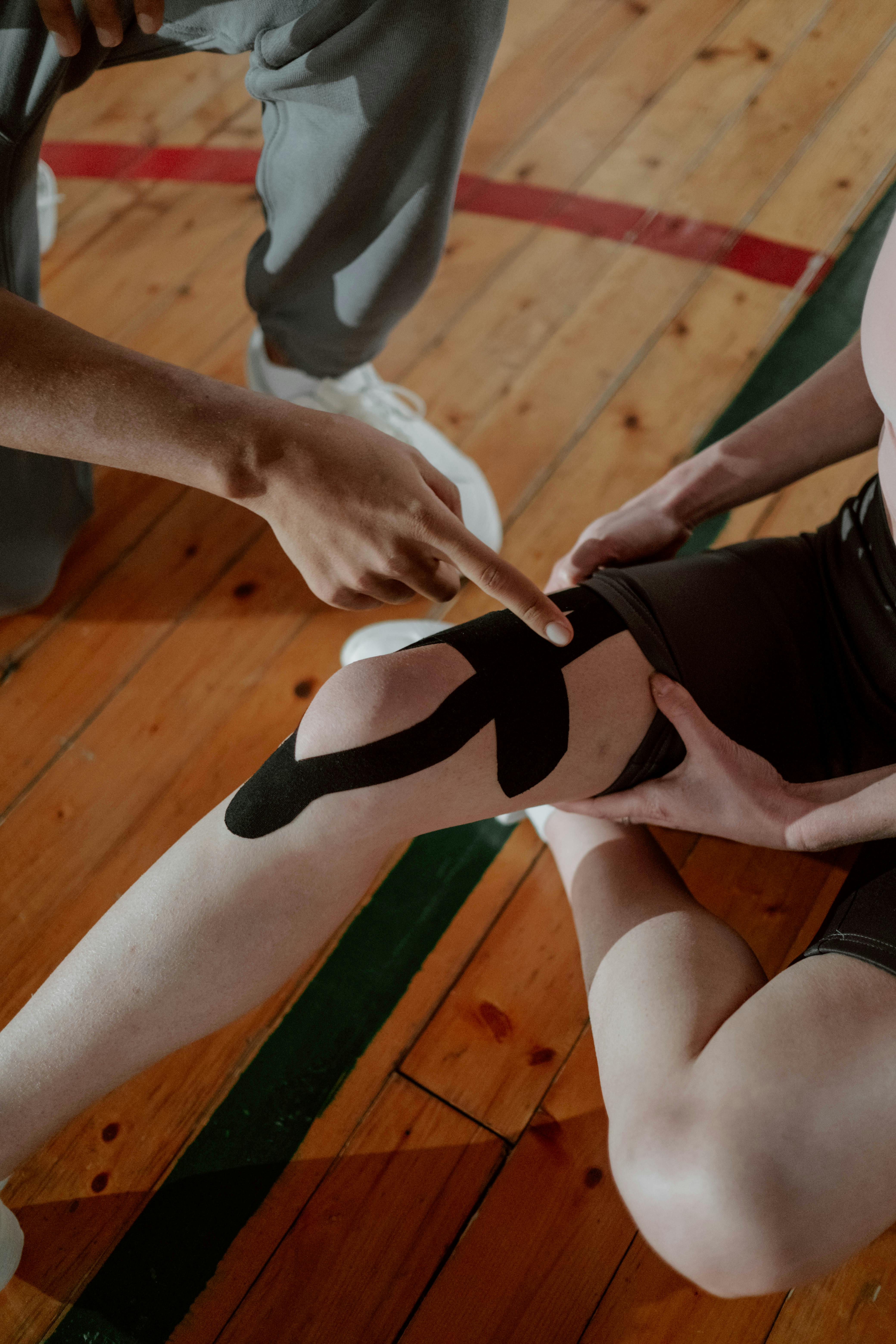
Terminal Knee Extension

Terminal Knee Extension (TKE)

Physics: Targets the vastus medialis obliquus (VMO) of the quadriceps. By focusing on the last 30 degrees of extension, it applies mechanical load specifically to improve patellar tracking and stability around the kneecap, crucial for arthritis and post-surgical recovery.

Scapular Squeezes

Scapular Squeezes

Physics: Activates the rhomboids and middle trapezius. This exercise focuses on retracting and depressing the scapula to improve posture and create a stable base for the rotator cuff, following the principle of proximal stability for distal mobility.

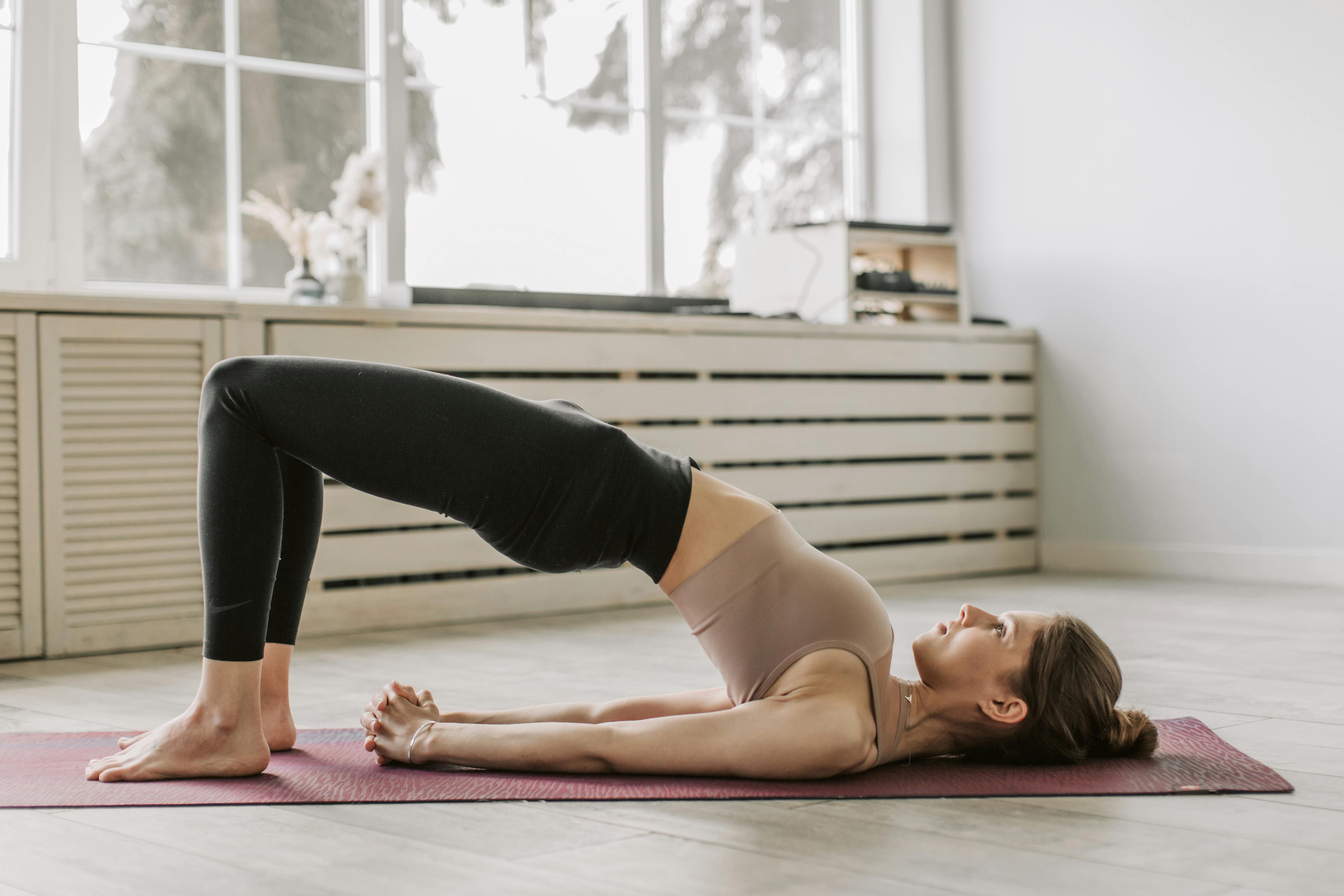
Glute Bridge Exercise

Glute Bridges

Physics: Primarily targets the gluteus maximus and hamstrings. This exercise works by extending the hips against gravity, strengthening the posterior chain muscles which are vital for lumbar stability, hip extension power, and preventing lower back pain by improving muscle imbalances.

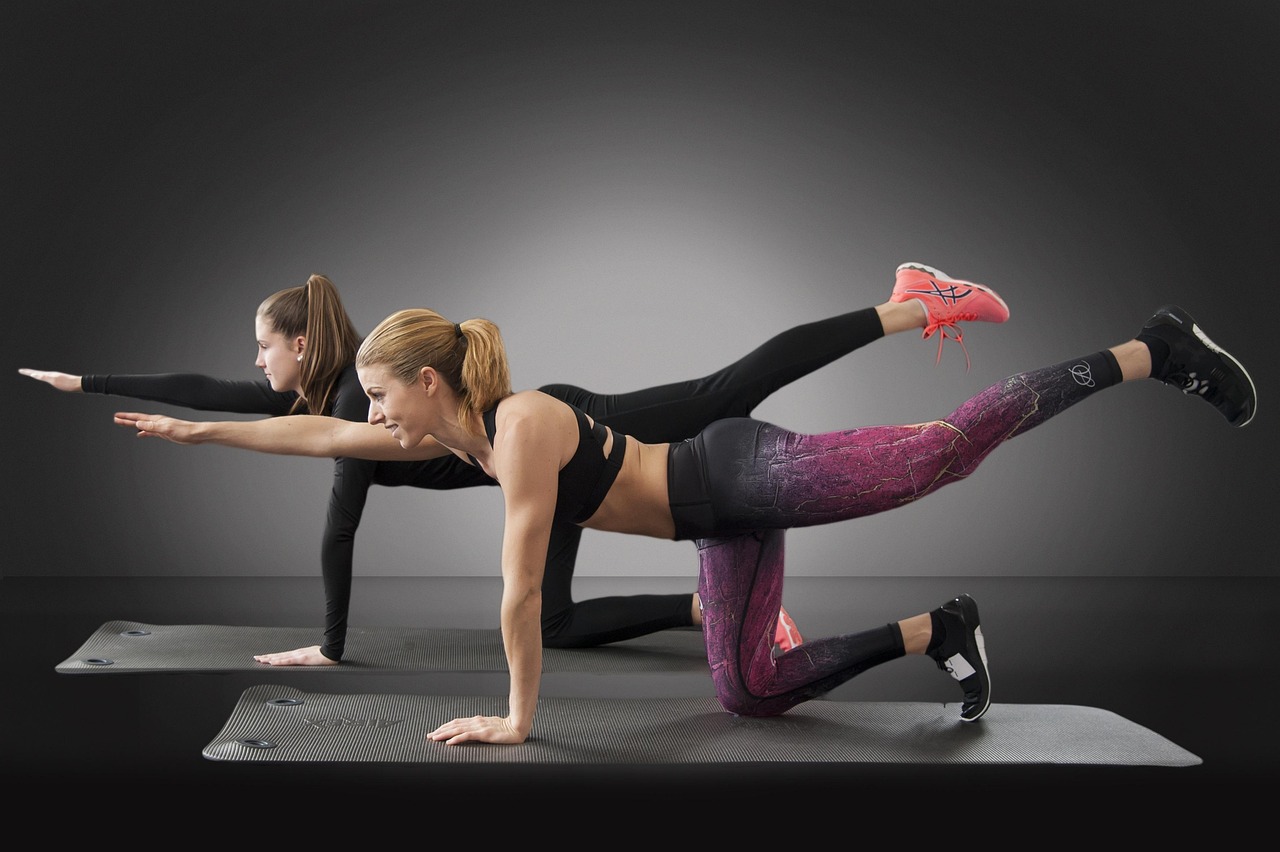
Bird-Dog Exercise

Bird-Dog

Physics: A core stability exercise that improves lumbopelvic control and balance. It challenges the deep core stabilizers (transversus abdominis, multifidus) to maintain a neutral spine while moving the limbs, enhancing proprioception and dynamic stability.

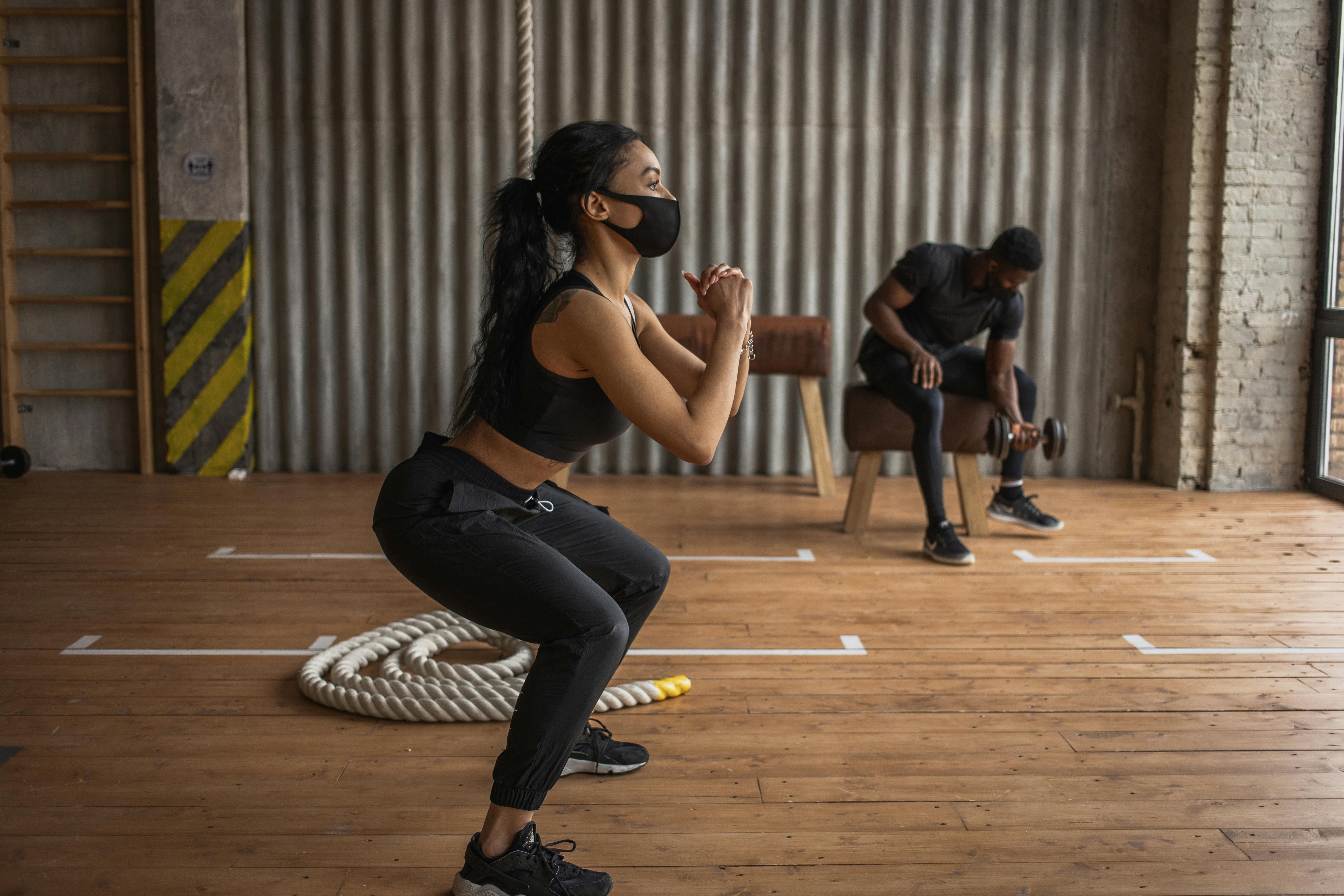
Squatting Exercise

Squatting

Physics:The squat is a fundamental full-body exercise that involves lowering your hips from a standing position and then standing back up. It primarily targets the quadriceps, hamstrings, gluteus maximus, and core muscles. The exercise utilizes the movement against gravitational forces to build strength, power, and endurance in the lower body while also engaging stabilizing muscles for balance and coordination.