What Is Scoliosis?
Understanding what scoliosis is — and what it is not — is the first step to managing it effectively.
Scoliosis is an abnormal lateral — sideways — curvature of the spine measuring more than 10 degrees on X-ray. Rather than running in a straight line from the base of the skull to the tailbone, the spine curves to one or both sides, often with a rotational component that gives the characteristic rib hump seen in more significant curves. It is not simply a posture problem — the structural changes involve the vertebrae, discs, and surrounding soft tissues.
The most common type is adolescent idiopathic scoliosis (AIS) — appearing during the growth spurt of puberty, predominantly in girls, with no single identifiable cause. Other forms include congenital scoliosis (present from birth due to vertebral malformation), neuromuscular scoliosis (secondary to conditions like cerebral palsy or muscular dystrophy), and degenerative scoliosis — a form increasingly common in adults over 50, developing as spinal discs and joints degenerate asymmetrically with age.
Mild curves — under 25 degrees — are monitored and managed with physiotherapy. Moderate curves — 25 to 40 degrees in a growing child — may be managed with bracing alongside physiotherapy. Severe curves above 50 degrees may warrant surgical discussion. Physiotherapy is the evidence-based first-line treatment for the vast majority of scoliosis cases, and even for patients who have had surgery, post-surgical physiotherapy is essential for optimal outcomes.
Quick Facts
Types of Scoliosis We Treat
Each type has a different presentation, cause, and treatment approach. Accurate diagnosis comes first.
Adolescent Idiopathic Scoliosis
The most common form — appearing during puberty with no known cause. Typically detected at school health screenings or when a parent notices uneven shoulders or a prominent shoulder blade. The most responsive to scoliosis-specific exercise.
Adult Degenerative Scoliosis
Develops in adults over 50 as intervertebral discs and facet joints degenerate asymmetrically. Often causes back pain, leg pain, and stiffness. Physiotherapy focuses on pain management, mobility, and preventing further progression.
Infantile & Juvenile Scoliosis
Appearing in children under 10 years old. Early intervention with physiotherapy and positioning strategies is critical. These cases require close monitoring and coordination with a paediatric orthopaedic specialist.
Neuromuscular Scoliosis
Secondary to neurological or muscular conditions — cerebral palsy, spina bifida, muscular dystrophy. Treatment addresses both the underlying condition and the spinal curve, focusing on functional positioning and respiratory support.
Post-Surgical Scoliosis Rehabilitation
After spinal fusion surgery for severe scoliosis, structured physiotherapy restores movement, strength, and function in the fused and non-fused spinal segments — and prevents compensatory problems developing elsewhere.
Scoliosis in Pregnancy
Pre-existing scoliosis can cause increased back pain and discomfort during pregnancy as postural demands change dramatically. Tailored physiotherapy safely manages pain and supports the changing body through each trimester.
Signs & Symptoms to Watch For
Scoliosis is often painless in adolescents — visual signs spotted early make a significant difference to outcomes.
Uneven Shoulders
One shoulder sits noticeably higher than the other when standing or viewed from behind. Often the first visual sign parents notice in their child — warrants prompt assessment.
Prominent Shoulder Blade
One shoulder blade protrudes more than the other, especially noticeable when bending forward. The rotational component of scoliosis pushes the ribs and shoulder blade outward on one side.
Uneven Waist or Hips
The waistline appears uneven, one hip sits higher than the other, or clothing hangs asymmetrically. The torso may appear shifted to one side relative to the pelvis.
Rib Hump
A visible or palpable prominence on one side of the back — most noticeable when bending forward (Adam's forward bend test). Caused by vertebral rotation pushing the attached ribs backward on one side.
Back or Rib Pain
While mild adolescent scoliosis is often painless, moderate and larger curves — and adult scoliosis — commonly cause chronic back pain, muscle fatigue, and sometimes rib discomfort from asymmetric loading.
Reduced Breathing Capacity
Significant thoracic (chest) curves can reduce the space available for lung expansion, causing reduced exercise tolerance, breathlessness, or a feeling of not being able to take a full breath.
How We Treat Scoliosis
Our scoliosis physiotherapy programme is individualised, evidence-based, and built around the specific curve pattern, age, and functional goals of each patient.
Our Goal
Slow or stop curve progression, reduce pain, improve posture and body confidence, and enable a fully active life — at any age, any curve size.
- Curve progression slowed or stopped
- Back and rib pain significantly reduced
- Posture and body confidence improved
- Breathing capacity optimised
- Full sport and activity maintained
Comprehensive Scoliosis Assessment
Your first session involves a full assessment of posture, curve pattern, flexibility, muscle balance, and functional movement. We review any existing X-rays with you to understand the exact curve location, direction, and magnitude. We ask about symptoms, activity levels, and treatment goals — understanding the whole person, not just the X-ray. For growing children, we also assess skeletal maturity, which determines the risk of progression.
Scoliosis-Specific Exercise Programme
We design a personalised programme of scoliosis-specific exercises based on the principles of evidence-based approaches including SEAS (Scientific Exercises Approach to Scoliosis) and Schroth method concepts. These are not generic back exercises — they are precise, three-dimensional corrective movements that teach the patient to actively correct their own curve, improving alignment and reducing asymmetric loading on the spine.
Postural Correction & Body Awareness
We train awareness of spinal alignment throughout daily activities — sitting, standing, carrying a school bag, sleeping positions, and sport. Habitual posture during the long hours of daily life has a significant cumulative effect on curve behaviour. Particularly important for adolescent patients who spend many hours at a school desk or studying.
Core Strengthening & Muscle Balance
Scoliosis creates significant muscle imbalances — the muscles on the concave side of the curve become shortened and tight, while those on the convex side are lengthened and weakened. Targeted strengthening of the weaker side and stretching of the tighter side improves the muscular environment of the spine and reduces the forces that drive curve progression.
Pain Management & Breathing
For patients with significant pain — particularly adults with degenerative scoliosis — we provide hands-on pain management, manual therapy for tight muscles and restricted joints, and electrotherapy where indicated. Breathing exercises that maximise expansion on the compressed side of the chest improve both lung capacity and — in thoracic curves — can apply a corrective force from within.
Treatment Techniques We Use
Scoliosis management uses a combination of active corrective exercise, manual therapy, and patient education — all tailored to the individual curve and presentation.
Scoliosis-Specific Exercises (SEAS / Schroth Principles)
Three-dimensional corrective exercises that address the specific curve pattern of each patient. Based on international evidence — SEAS has level 1 evidence for reducing curve progression in adolescent idiopathic scoliosis. Patients learn to actively self-correct and maintain correction during functional activities. These exercises are curve-specific — different curves require different exercises.
View ExercisesManual Therapy & Soft Tissue Release
Joint mobilisation of restricted spinal and rib segments, deep soft tissue release of chronically shortened muscles on the concave side, and myofascial techniques to restore symmetry. Particularly important for adult patients with pain and stiffness, and for preparing the spine to respond well to corrective exercise.
View ServiceRotational Breathing Exercises
Targeted breathing techniques that direct expansion into the concave side of the thoracic curve. By learning to breathe asymmetrically — filling the compressed side of the chest — patients can apply a gentle corrective rotational force from within with every breath. This forms an integral part of scoliosis-specific exercise programmes.
View ExercisesWhat to Expect Over Time
Scoliosis management is a long-term commitment — but results accumulate steadily and the programme becomes a natural part of daily routine.
Weeks 1–4
Assessment complete. Personalised exercise programme designed. Learning the corrective techniques. Pain improving.
Months 1–3
Exercises becoming automatic. Posture noticeably improved. Significant pain reduction. Body awareness established.
Months 3–6
Measurable improvement in posture symmetry. Reduced muscle fatigue. Possible curve reduction confirmed on follow-up X-ray.
Ongoing
Home programme maintained. Regular reassessment. Curve stable. Active, full life without restriction.
Foundation Exercises for Scoliosis
These general exercises support spinal health and are commonly used as part of scoliosis rehabilitation. Your specific corrective programme will be prescribed individually based on your curve pattern.
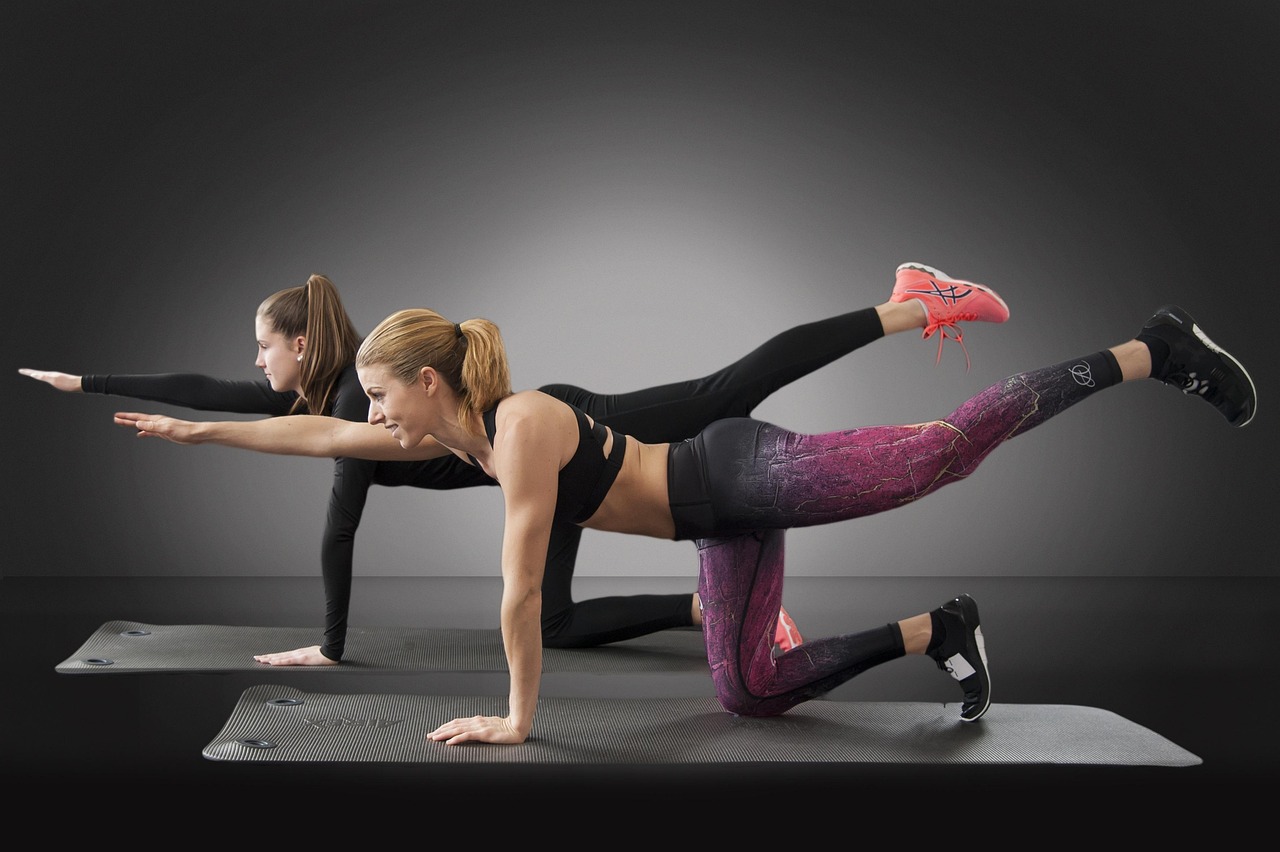
Bird-Dog
On hands and knees, extend one arm and the opposite leg while keeping the spine completely level and stable. This trains the deep spinal stabilisers — the muscles responsible for maintaining the vertebrae in correct alignment — which are often dysfunctional in scoliosis. The anti-rotation challenge is particularly valuable for scoliosis management.
Full Instructions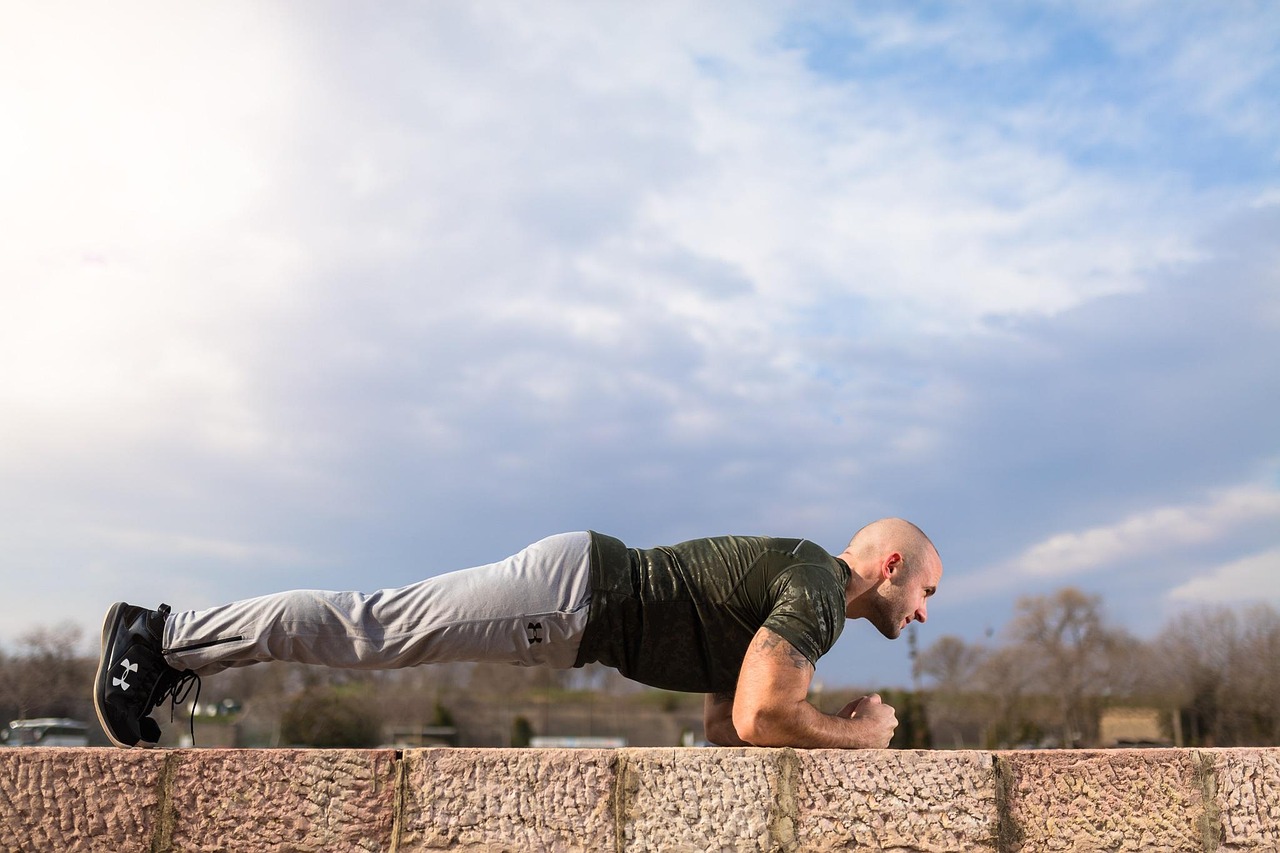
Plank
Hold a straight body position on forearms and toes, maintaining a neutral spine throughout. Builds global core endurance — the ability to hold correct spinal alignment for sustained periods. For scoliosis patients, focus on keeping the trunk perfectly symmetrical and breathing evenly during the hold rather than simply enduring.
Full Instructions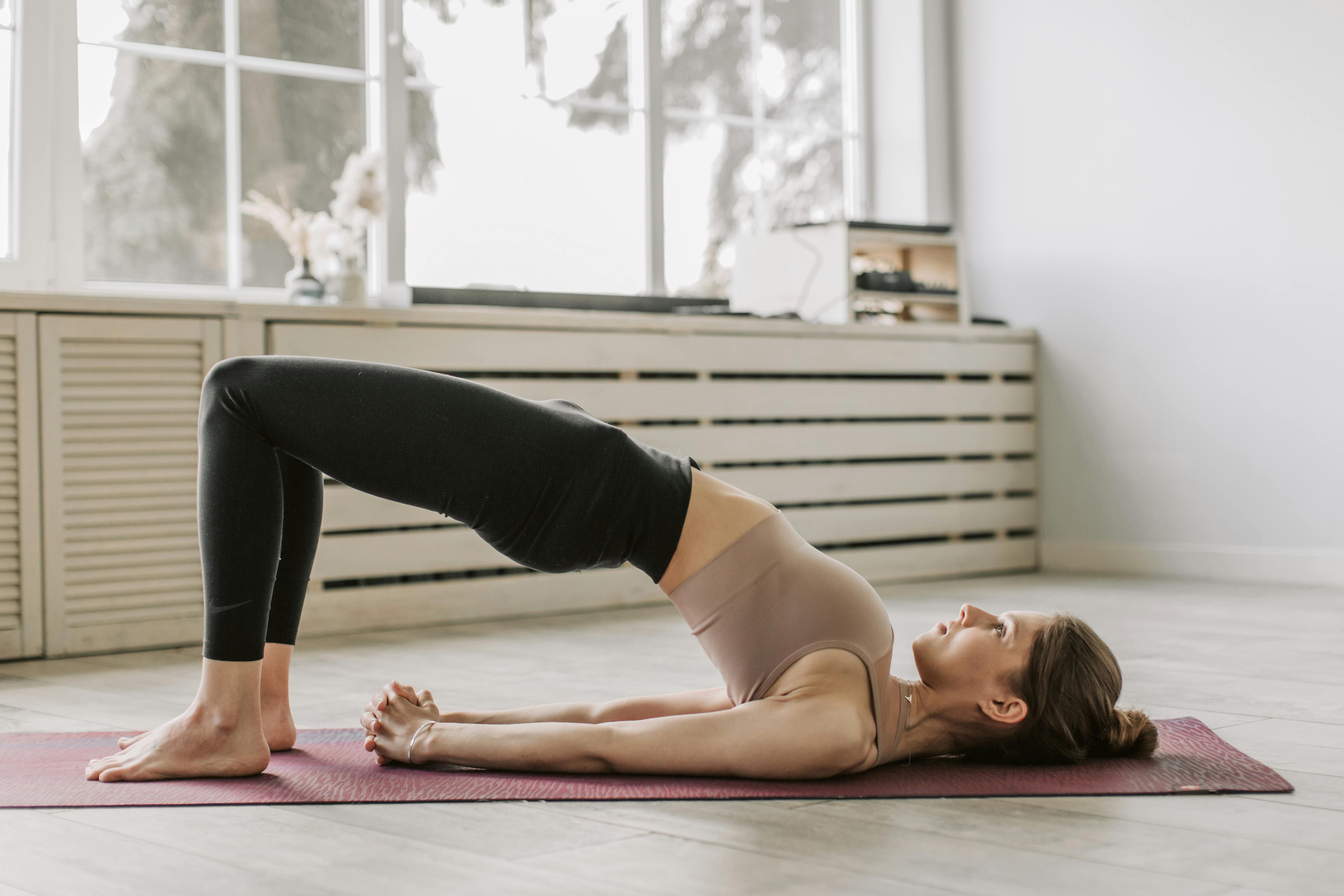
Glute Bridge
Lying on your back with knees bent, press through the heels and lift the hips to form a straight line from shoulders to knees. Strengthens the gluteal muscles and posterior chain that support pelvic and lumbar alignment. For scoliosis patients, focus on keeping the hips perfectly level throughout — avoid allowing one side to lift higher than the other.
Full InstructionsSigns That Need Urgent Medical Attention
Most scoliosis is managed safely with physiotherapy. These signs indicate the need for prompt medical or surgical review.
Contact your orthopaedic specialist or visit us urgently if any of the following apply
These signs suggest rapid curve progression, neurological compromise, or an underlying cause that requires medical assessment before physiotherapy continues.
Early Action Changes Everything
Whether you have just received a scoliosis diagnosis, are concerned about your child's posture, or have been living with scoliosis for years — it is never too early or too late to start. Our certified physiotherapists in Luxor will review your curve, explain your options clearly, and design a scoliosis-specific programme built around your life and goals. Evening appointments available every day except Sunday.