What Is Post-Surgical Rehabilitation?
Surgery repairs the structure — rehabilitation restores the function. One without the other is incomplete recovery.
Post-surgical rehabilitation is a structured physiotherapy programme that begins in the days or weeks following an operation and guides the patient from the initial healing stage through to full return of strength, movement, and daily function. The surgical procedure corrects the structural problem — a torn ligament repaired, a joint replaced, a disc removed — but it cannot rebuild the muscle that atrophies during rest, restore the range of motion lost through immobilisation, or re-educate the nervous system's control of the limb. That is the role of physiotherapy.
Without structured rehabilitation, surgery patients frequently plateau at 60–70% of their potential recovery. Pain and swelling persist longer than necessary, muscles remain weak and protective, and patients return to daily life with compensatory movement patterns that put excessive load on other joints and structures. This is not an acceptable outcome — and it is entirely preventable with the right rehabilitation programme started at the right time.
At Premium Care, we work closely with the patient's surgical team — accepting referrals directly from orthopaedic surgeons, neurosurgeons, and general surgeons in Luxor and across Upper Egypt. We follow evidence-based, surgery-specific protocols and progress each patient individually based on tissue healing milestones, not arbitrary time frames. Our goal is always the same: return you to your daily life, work, and family as completely and safely as possible.
Quick Facts
Surgeries We Rehabilitate
Each surgery type has its own healing timeline, precautions, and rehabilitation protocol. We are experienced in all of the following.

Knee Replacement (TKR / PKR)
Total or partial knee replacement requires intensive early mobilisation to prevent stiffness, then progressive strengthening to restore walking, stair-climbing, and full daily function. One of our most common referrals.
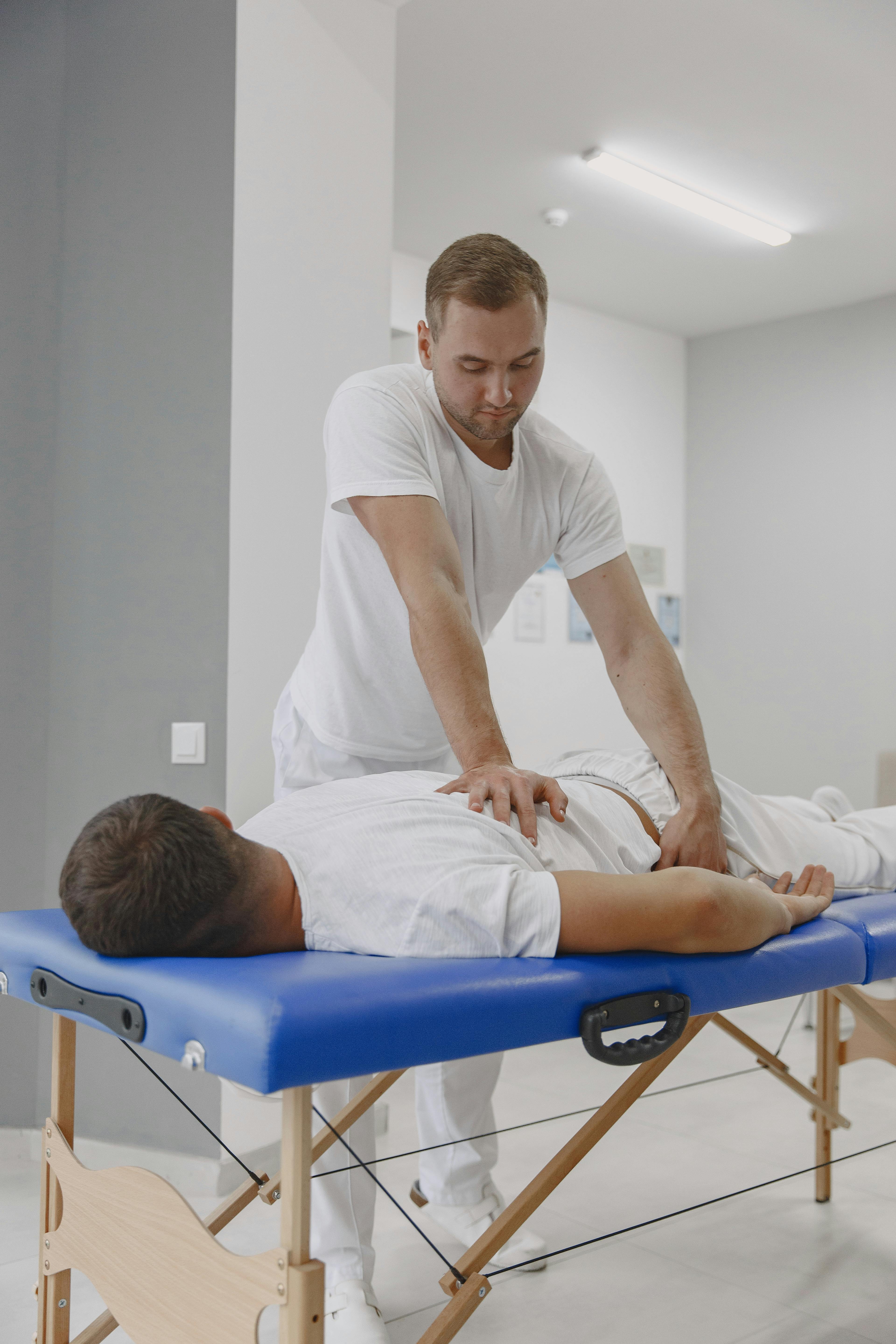
Spinal Surgery (Discectomy / Fusion)
Following disc removal, decompression, or spinal fusion, rehabilitation restores core stability, spinal mobility, and safe movement patterns — reducing recurrence risk and returning patients to pain-free daily life.
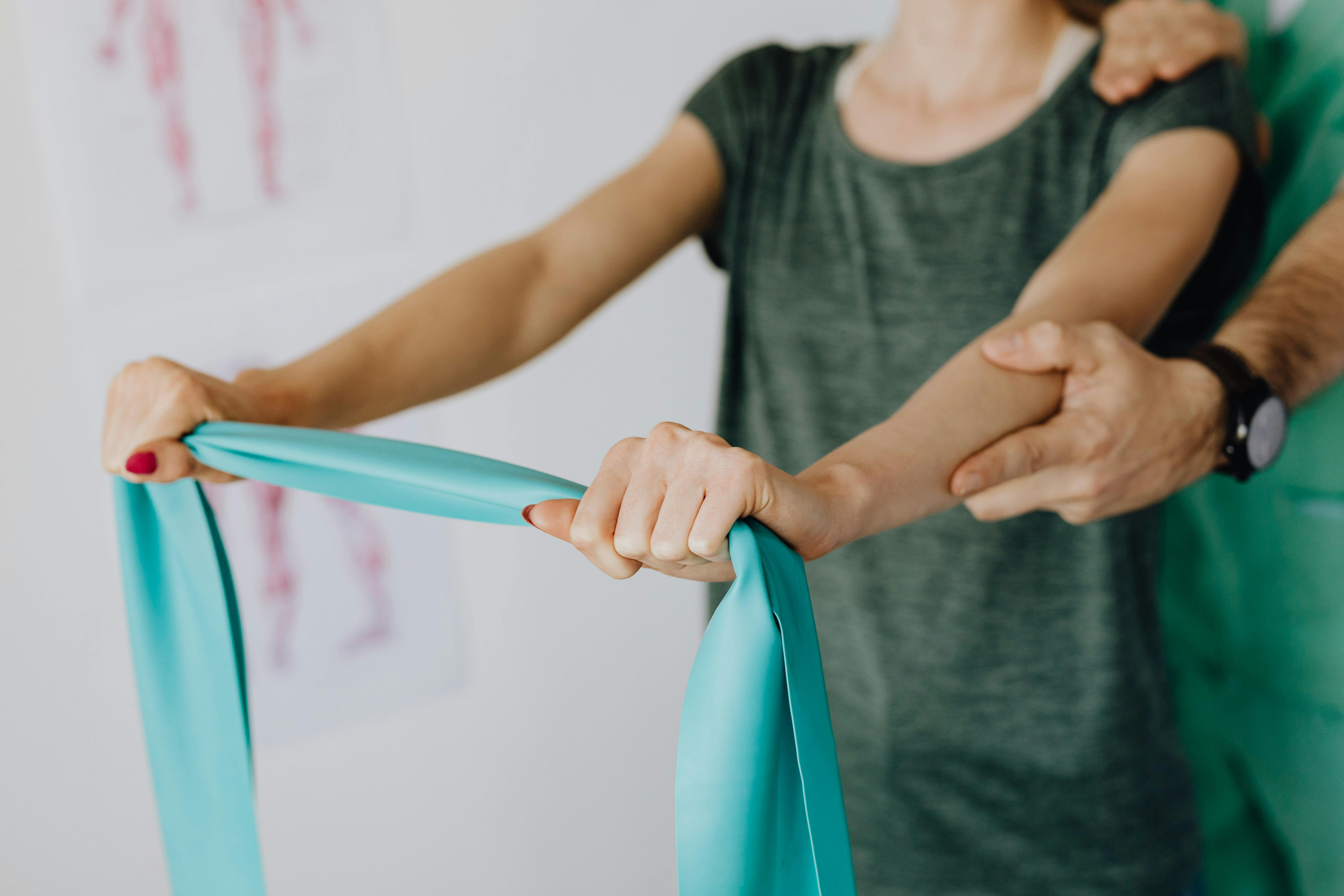
Shoulder Surgery (Rotator Cuff / Labrum)
Rotator cuff repair and labral reconstruction require careful, staged rehabilitation — protecting the repair while progressively restoring range of motion, rotator cuff strength, and overhead function.
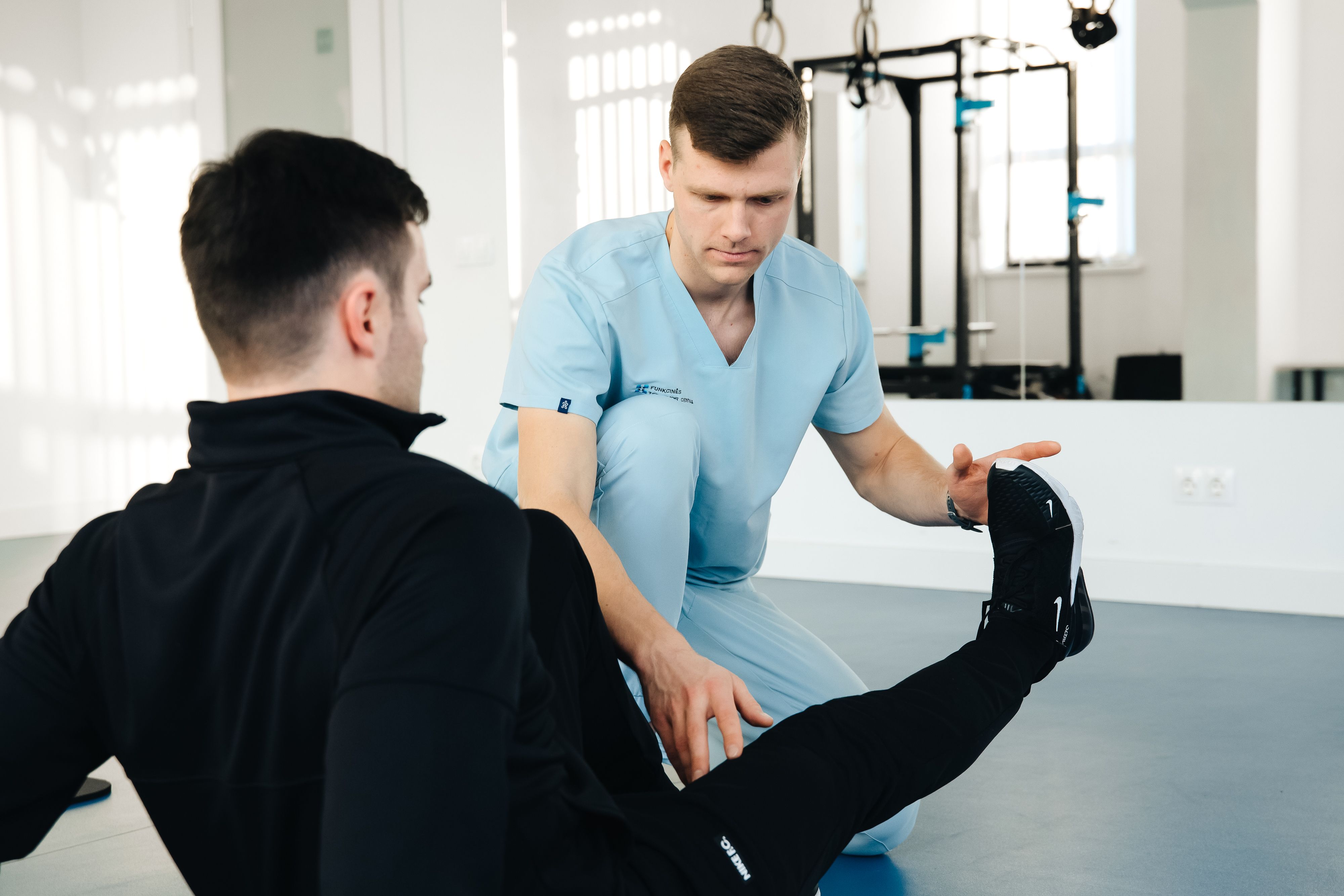
Hip Replacement (THR)
Total hip replacement rehabilitation follows hip precautions strictly in the early phase, then progresses to gait retraining, hip strengthening, and restoration of walking, sitting, and functional independence.
ACL Reconstruction
ACL reconstruction requires a 9–12 month protocol progressing from swelling control and early mobility through to strength, proprioception, and safe return to sport or manual work. Protocol adherence is everything.
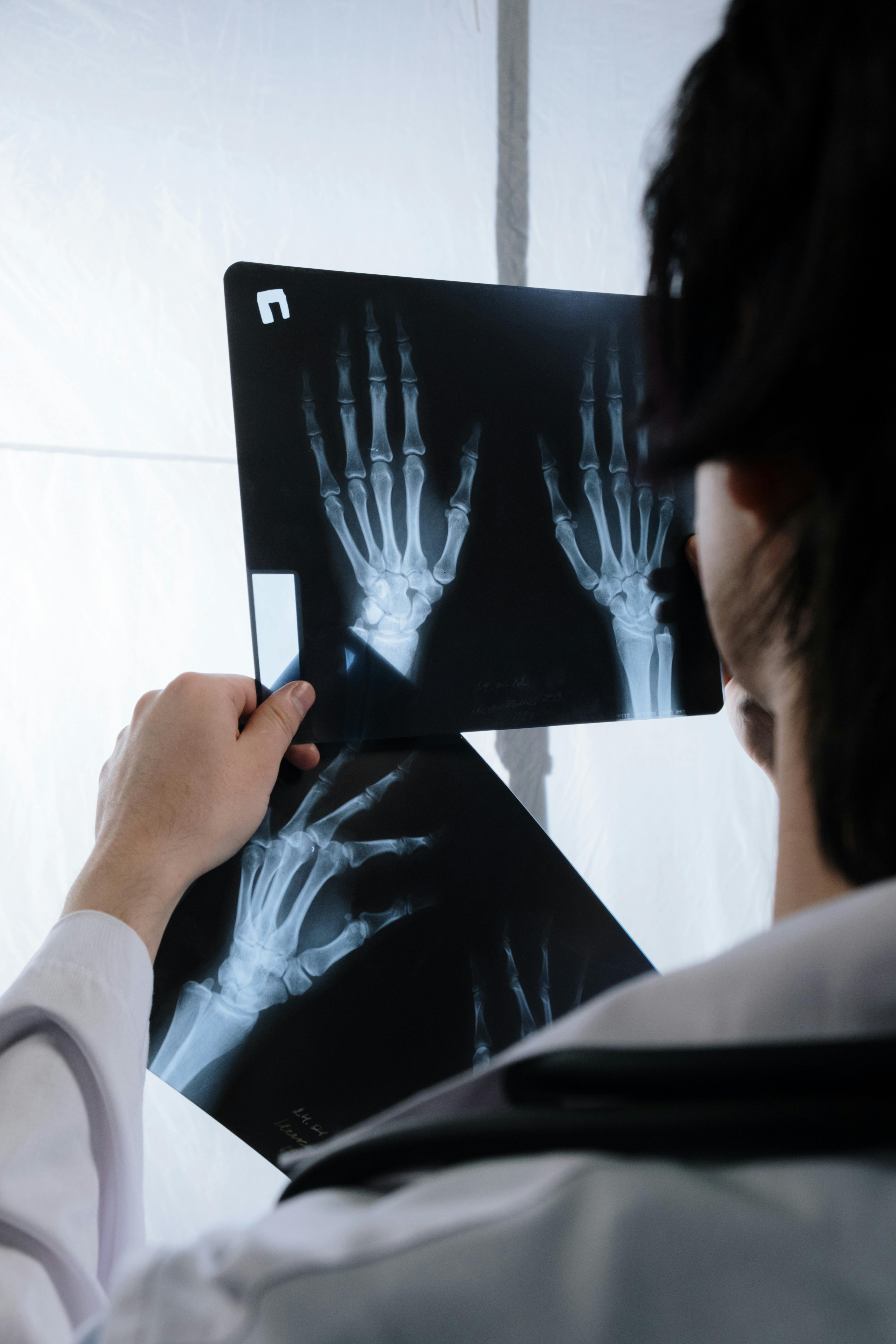
Fracture Fixation (ORIF / Nailing)
Following open reduction and internal fixation or intramedullary nailing, rehabilitation restores range of motion in adjacent joints, rebuilds muscle strength, and progressively returns the patient to full weight-bearing.
The Four Phases of Post-Surgical Rehabilitation
Every surgery type follows a phased protocol. Progressing too fast risks re-injury; progressing too slowly prolongs disability. We time each phase precisely.
Protection & Pain Control
Swelling control, gentle range-of-motion exercises, wound care awareness, positioning, and beginning isometric muscle activation to prevent atrophy.
Mobility Restoration
Progressive range-of-motion work, scar tissue management, joint mobilisation, and introducing supported weight-bearing and functional movement patterns.
Strength & Neuromuscular Control
Progressive resistance exercises, proprioception training, balance, gait retraining, and building the strength to support full daily function without joint loading risk.
Return to Full Function
Work-specific or activity-specific tasks, endurance, return to manual labour or sport, and an independent home maintenance programme to sustain gains long-term.
How We Guide Your Recovery
Our post-surgical rehabilitation programmes are built around your specific operation, your surgeon's protocol, and your personal goals — not a generic timetable.
What We Aim For
Our goal is not just wound healing — it is complete return to the life you had before, or better.
- Full or near-full range of motion restored
- Strength symmetry with the unaffected side
- Return to work, prayer, and daily activities
- Reduced risk of complications and re-injury
- Independence in a home maintenance programme
Surgical Liaison & Protocol Review
Before your first session, we review your surgical report, your surgeon's post-operative instructions, and any weight-bearing or movement precautions. If we have questions, we contact your surgeon directly. This is not optional — starting rehabilitation without knowing exactly what was done and what restrictions apply puts the repair at risk. Your safety is the absolute first step.
Initial Assessment & Baseline Measurement
We measure your current range of motion, swelling, pain level, muscle strength, and functional ability — establishing a clear baseline against which we track your progress at every session. Patients who see their own numbers improve week by week are significantly more motivated and compliant with their home programme. Numbers tell the story in a way words cannot.
Phase-Appropriate Treatment
Each session delivers the treatment appropriate to your current healing phase — electrotherapy and gentle mobilisation in the early phase, progressive resistance and neuromuscular training in the middle phase, and functional task training in the final phase. We advance phases when your tissue healing and strength measures confirm readiness — not when a calendar date arrives.
Home Programme & Family Education
In Luxor, recovery happens at home — and family members play a critical role. We teach every patient a clear, simple home programme, and where appropriate, we educate the family member who will be assisting with care on how to support the exercises safely, what to watch for, and when to call us. Recovery is a team effort, and the team includes your household.
Techniques Used in Post-Surgical Rehabilitation
The techniques used in each session depend on your phase, your surgery type, and your individual response to treatment.
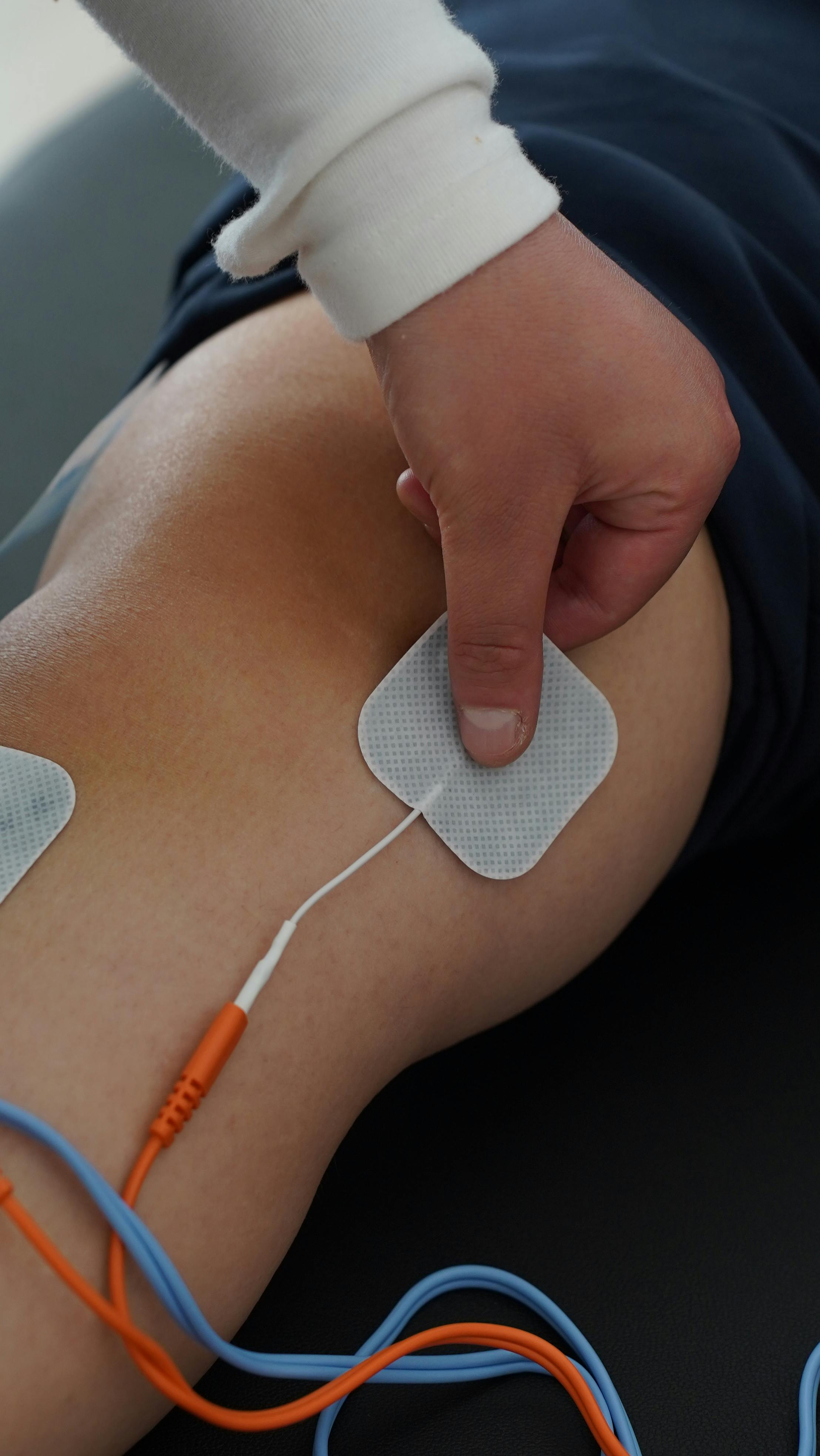
Electrotherapy for Pain & Swelling
Therapeutic ultrasound, TENS, and interferential current are used in the early post-operative phase to reduce pain, accelerate tissue healing, decrease swelling, and allow the patient to begin gentle movement earlier and more comfortably than would otherwise be possible.
ElectrotherapyManual Therapy & Joint Mobilisation
Hands-on joint mobilisation techniques restore normal joint mechanics after surgery, prevent and address post-operative stiffness, manage scar tissue adhesions, and reduce the protective muscle guarding that limits movement. Applied carefully within tissue-healing parameters at every stage.
Manual TherapyProgressive Strengthening
From isometric contractions in week one through to full resistance exercises in later phases, strength rebuilding follows a carefully controlled progression. Muscle symmetry — matching the strength of the operated limb to the other side — is one of the primary discharge criteria we use.
Exercise LibraryGait Retraining & Proprioception
Surgery and immobilisation disrupt the nervous system's sense of where the joint is in space. Proprioception training and gait retraining re-establish normal walking patterns, balance, and joint position sense — essential for preventing falls and returning to normal activity safely.
Rehabilitation ServicesHome Exercises in Early Recovery
These are examples of exercises commonly prescribed in the early post-surgical phase. Your specific programme depends on your surgery — your therapist will prescribe and supervise these individually.
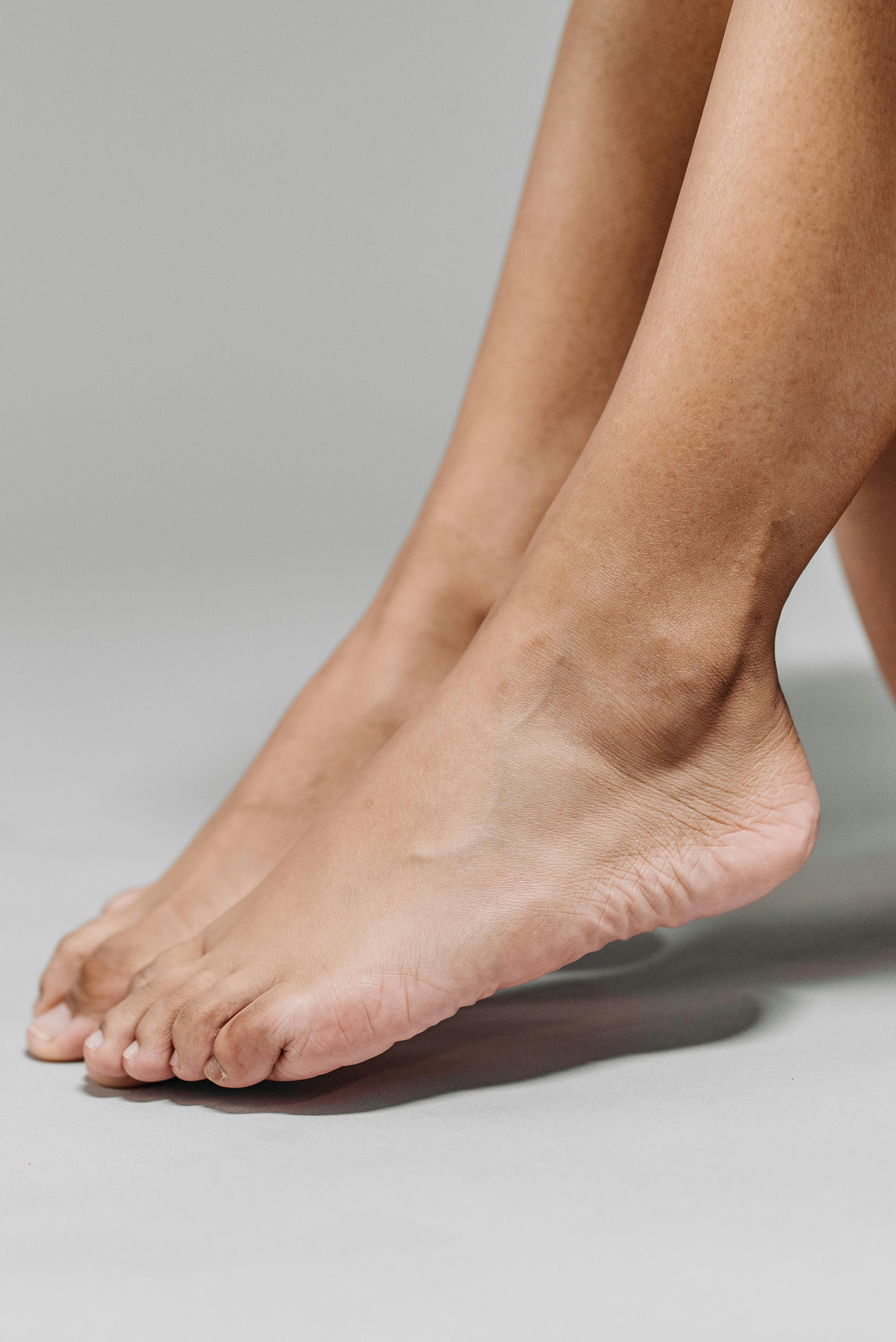
Ankle Pumps
Rhythmic up-and-down ankle movements activate the calf muscle pump, which drives blood and fluid back up the leg, dramatically reducing post-operative swelling and preventing deep vein thrombosis. One of the most important early exercises after any lower limb surgery.
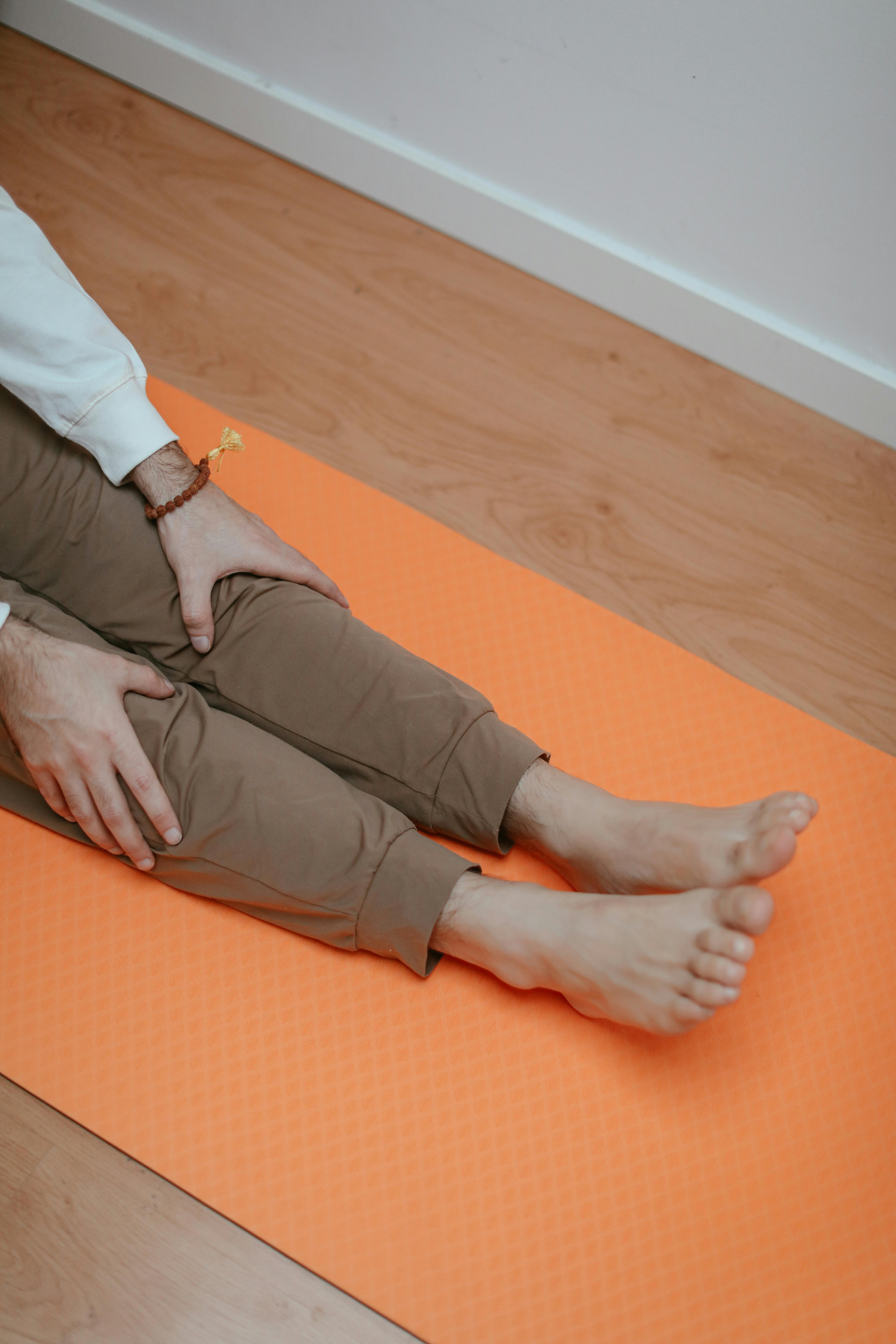
Isometric Quad Set
Lying flat, press the back of the knee gently into the surface and tighten the front thigh muscle without lifting the leg. This activates the quadriceps without loading the joint, preventing the rapid atrophy that begins within 48 hours of surgery and maintaining the neuromuscular connection to the muscle.

Heel Slides
Lying on your back, slowly slide the heel towards the buttocks bending the knee as far as comfortable, then return. This early range-of-motion exercise prevents post-operative stiffness and maintains the joint fluid distribution essential for cartilage nutrition during healing.

Straight Leg Raise
Tighten the quadriceps, then lift the entire straight leg to 30–45 degrees and lower slowly. Strengthens the hip flexors and quadriceps with zero knee joint loading — the safest strength exercise available in the early post-operative phase for knee, hip, and many spinal surgeries.
Return to Your Surgeon or Emergency Immediately If You Notice These
These are post-operative warning signs that require urgent medical — not physiotherapy — assessment. Contact your surgeon or go to the nearest emergency department, not a physiotherapy clinic.
For all other concerns about your recovery progress, pain levels, or exercise programme — we are here. Call or WhatsApp us and we will advise you immediately.
Starting Rehabilitation After Your Surgery?
The days and weeks immediately after surgery are the most critical window in your entire recovery. Starting physiotherapy at the right time — with a therapist who knows your specific surgery and its protocol — makes the difference between a partial and a complete recovery. Whether you have just been discharged, are preparing for upcoming surgery, or were operated on months ago and are not where you should be in recovery, contact us. Our certified physiotherapists in Luxor will assess you, coordinate with your surgeon, and build a programme designed around your operation and your goals — returning you to your work, your family, and your daily life as completely as possible.